Gaming Literacy for Educators: Your Bridge to Student Engagement
- Justin Matheson
- Jun 16, 2025
- 5 min read

Updated: Aug 20, 2025
The Reality Check You Need
You're standing in front of your classroom, and a student mentions they spent the weekend "grinding the new mythic with their guild" Half the class nods knowingly while you're left wondering if they're speaking a foreign language. You're not alone—recent surveys show that while the majority of teens play video games regularly, only a few educators feel confident discussing gaming culture with their students (ScienceDirect.com).
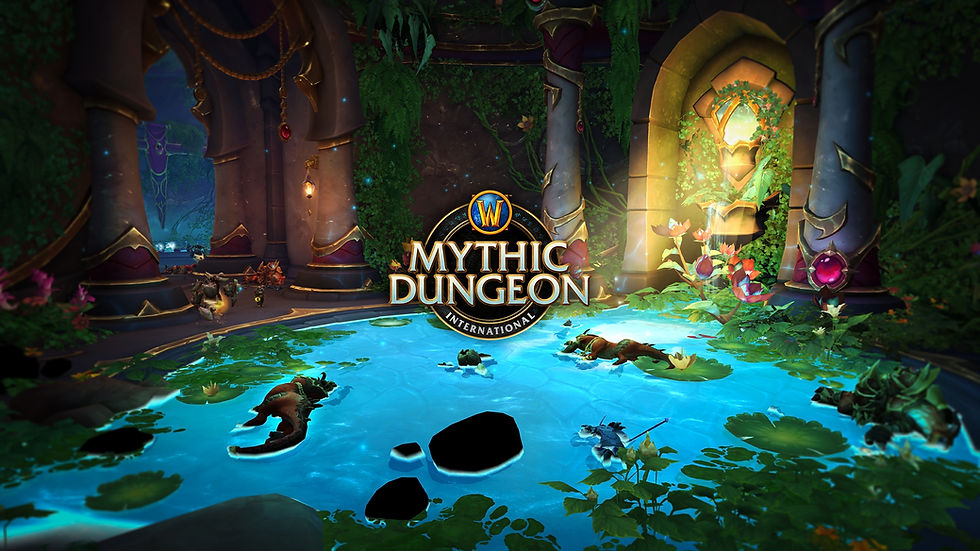
By the way, this phrase refers to a PvE (player vs. environment) type of activity in World of Warcraft where teams of players have to take on roles and try to defeat particularly difficult enemies in a series of special encounters for better gear.
Here's the reality: gaming isn't just entertainment anymore. It's a $200+ billion industry that's reshaping how people communicate, collaborate, and solve problems. For educators, this represents either a missed opportunity or an untapped goldmine of engagement. The choice is yours.
This article will demystify gaming fundamentals and show you practical ways to bridge the knowledge gap—without requiring you to become a gamer yourself.
The Gaming Language That Actually Matters
Let's start with the essentials. Gaming has its own vocabulary, but you don't need to memorize the dictionary. Focus on these core concepts:
Gameplay is the heart of any game—the overall experience players have while engaged. Think of it as the "flow" of a classroom activity. Just like how a well-designed lesson has pacing, challenges, and moments of satisfaction, gameplay creates that same rhythm digitally.
Mechanics are the specific rules and actions that make a game work. These are your building blocks: how players move, interact, score points, win, lose, or overcome obstacles. If gameplay is the lesson plan, mechanics are the individual activities and assignments that make it happen.
Game modes determine how players engage—solo, with friends cooperatively, or competitively against others. This is crucial for educators because different modes foster different social dynamics and learning opportunities. Often, games will have multiple game modes built in so one game may have a number of different ways it can be played.
Why This Matters More Than Ever
The landscape has shifted dramatically. Today's games aren't just about reflexes or competition—they're collaborative problem-solving platforms. Take Among Us, which exploded during remote learning. Students were naturally practicing deductive reasoning, group discussion, and evidence-based argumentation. They just called it "playing with friends."
Modern games demand skills we desperately want in our classrooms: critical thinking, communication under pressure, adaptability, and resilience after failure. The question isn't whether games can teach—it's whether we're ready to stand back and let them.
Breaking Down the Comfort Zone Barrier
"I've never been a gamer, so maybe this isn't for me."
For some reason, this is one of the only times I hear this excuse from educators. I’ve never heard an educator say “I’m not a grief counsellor, so maybe I don’t want to hear about why you’re upset.” or “I’m not a nurse, so I’m not going to get you a band-aid or an ice pack.” or “I’m not a dentist, get a way from me with your disgusting blood-filled mouth.”
Educators can wear so many hats during their career. You don’t need to be a gamer to be able to access all of the great effects they can bring into your classroom. What you need is curiosity and a willingness to see games as tools rather than toys.
Yes, stepping into unfamiliar territory feels uncomfortable. So do parent-teacher conferences, new curriculum standards, and technology updates. But here's the thing—this discomfort serves your students. When we model lifelong learning and adaptability, I think you should be teaching by example.
The goal isn't to become a gaming expert overnight. It's to develop enough fluency to make informed decisions about which games might benefit your specific learning objectives.

Your Game Research Toolkit (No Controller Required)
Strategy 1: Master Video Content Research YouTube and Twitch offer unlimited gameplay footage, but quality varies wildly. Search for "educational gameplay", “[game name] playthrough”, or "[game name] explained" to find content specifically designed for newcomers. Look for videos that demonstrate collaboration, problem-solving, or skill development rather than just entertainment highlights.
Pro tip: Sort by "most recent" to see current gameplay and community standards. Avoid clickbait thumbnails—they rarely contain the substantive content you need.
Bonus pro tip: Prioritize any gameplay videos that promote “no commentary”. They’re better in so many ways.
Strategy 2: Turn Students Into Research Partners Your students aren't just your audience—they're your expert consultants. Create structured opportunities for them to pitch game-based learning ideas. Give them specific parameters: "Show me a game that requires teamwork and explain how it could help us practice [specific skill]."
This approach accomplishes two things: you get insider insight from actual players, and students become invested in the success of game-based activities. Did someone say “persuasive writing project”?
Strategy 3: Start Small and Targeted Don't try to understand gaming as a whole—that's like trying to master all of literature in one sitting. Pick one game that aligns with a specific learning goal. Spend 30 minutes researching that single game rather than attempting to grasp the entire gaming landscape. Another way to start small is to find a game that interests you and play it. Play it, then bring that experience to your learners and talk about it. This will generate excitement and begin developing a connection between the classroom and video games.
Making Games Work in Your Classroom Context
Here's the key insight: games aren't magical learning solutions. They're sophisticated tools that require thoughtful implementation and clear learning objectives.
Before introducing any game, run through this checklist:
What specific learning outcome or skill am I targeting?
How do this game's mechanics naturally support that outcome or skill?
What scaffolding will my students need for success?
How will I facilitate meaningful reflection and knowledge transfer?
Remember: the learning happens in the guided discussion afterward, not just during gameplay. Your role shifts from information deliverer to learning facilitator.
Building Your Gaming Confidence Step by Step
Start by observing rather than participating. You can begin by introducing a game and letting learners “teach” you how to play or let them engage together. Notice their collaboration patterns, problem-solving approaches, and communication styles. You'll quickly identify teachable moments and natural connection points to your curriculum.
Consider partnering with a tech-savvy colleague or recruiting a student helper for your first few attempts. Having someone who can troubleshoot technical issues frees you to focus on what you do best—facilitating learning and managing group dynamics.
The Accessibility Reality Check
Not every student will be a gaming enthusiast, and that's perfectly okay. The same differentiation strategies you use for other activities apply here. Provide alternative participation roles, adjust expectations based on comfort levels, and always maintain non-digital backup plans.
Some students may need additional support with gaming interfaces, while others might prefer observer or discussion-leader roles. The goal is inclusive engagement, not universal gaming proficiency.
Your Next Steps Forward
Gaming literacy isn't about becoming a player—it's about becoming a more effective educator. When you understand the basics of gameplay, mechanics, and game modes, you unlock new possibilities for authentic engagement, meaningful collaboration, and relevant learning experiences.
The students in your classroom are already fluent in this language. They're waiting for educators who are willing to meet them halfway, who recognize games as legitimate tools for growth rather than just digital distractions.
Ready to explore specific game recommendations? Check out Rift's monthly game breakdowns where we analyze popular titles through an educational lens.
JM


Comments