— Rift Education
THE RIFT METHOD™
A methodology for anyone responsible for training people, and tired of training that doesn't stick. Commercial video games used as precision tools for skills development. Not as novelty.
— The Problem
TRADITIONAL
TRAINING
DOESN'T
WORK.
Passive presentations, one-and-done workshops, scripts, and role-played scenarios tend to produce the same result. Learning evaporates the moment people leave the room.
Whether you train officers, agents, technicians, students, or staff, the problem is the same. Skills training is supposed to change behaviour. Most of it doesn't. Not because people aren't trying, but because the method is wrong.
The Rift Method is different. It uses commercial video games as the teaching instrument, not as a reward or an icebreaker. Under the right facilitation, a game is a precision tool for skills development.
"It's dangerous to go alone."
— The Rift Method
Every session is built on four principles.

ENGAGING
Games bring the engagement. People show up differently when play is the point.
AUTHENTIC
Not a simulation. Not role-play. Real leadership, real conflict, real communication under real pressure.
CYCLICAL
Skills don't develop in one sitting. The Rift Method builds in repetition and reflection by design.
LOW-STAKES
The game absorbs the risk. People can try, fail, and try again without ego on the line.
— The Tools
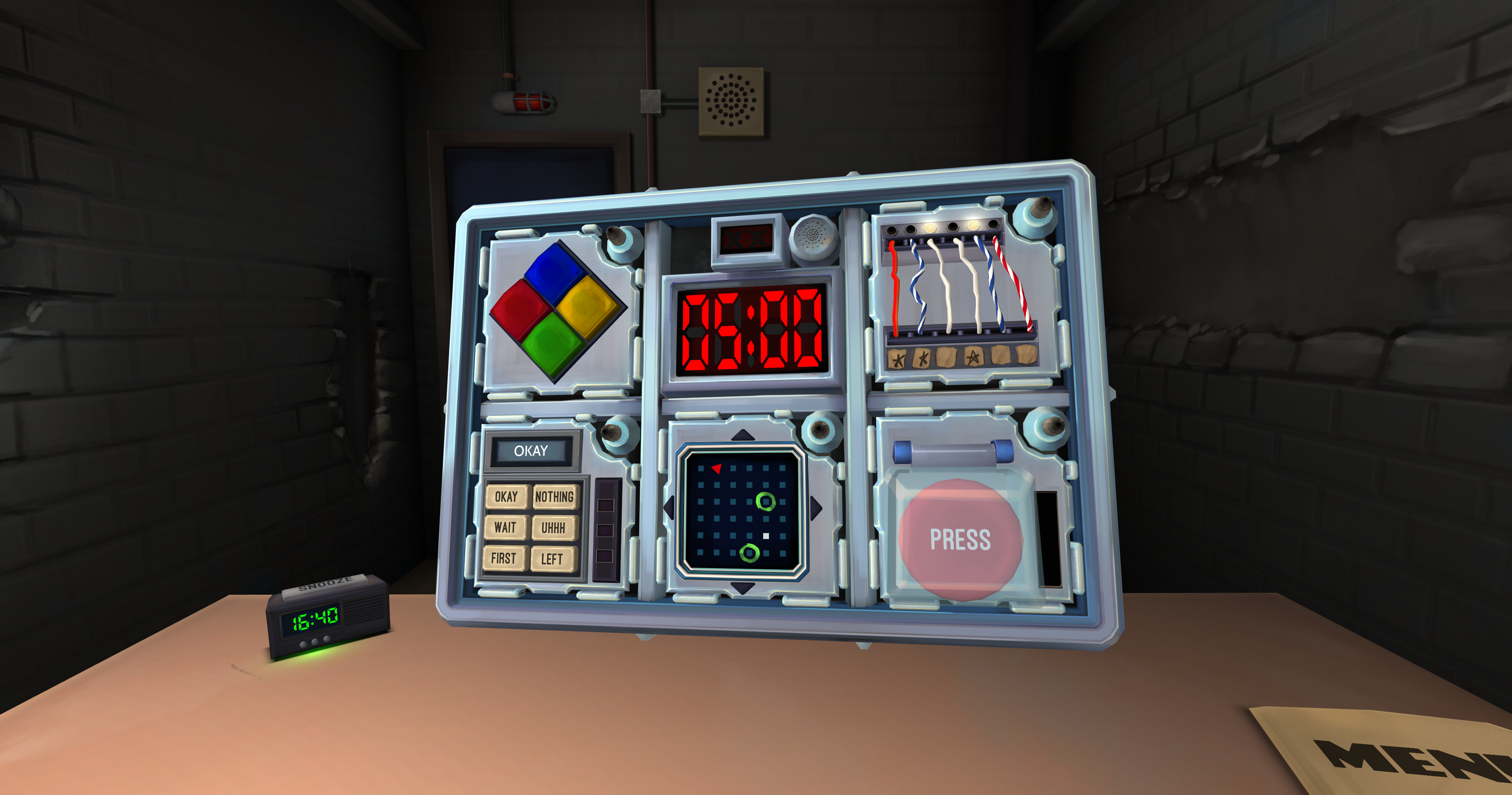
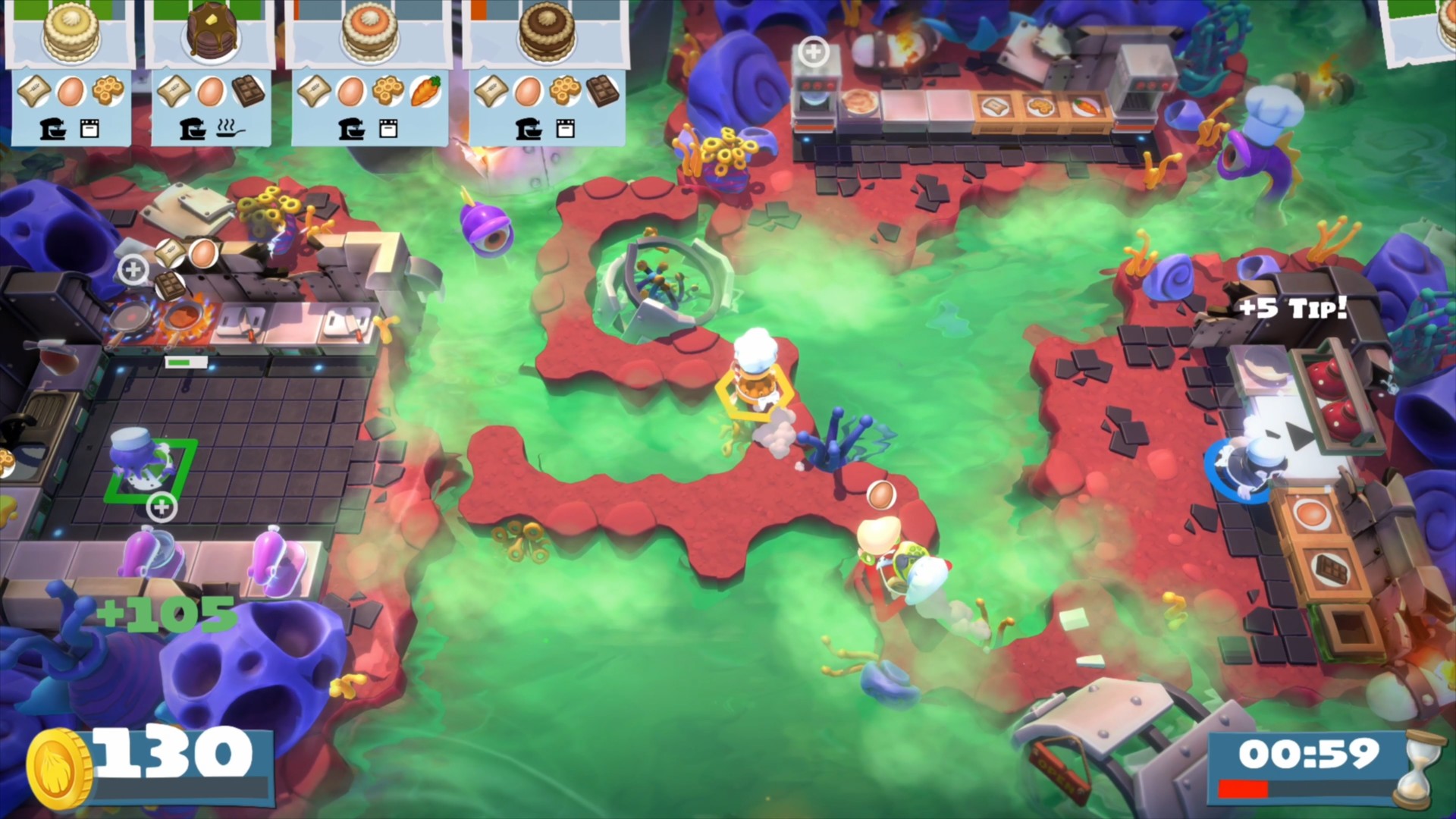

— In The Field
What It Looks Like
IDENTIFY THE SKILL
Start with the skill your people actually need. Define what good looks like in practice, in their work, in their words.
FIND THE DYNAMIC
Determine the behaviour that has to occur for that skill to be exercised. This is the step most game-based training skips. It's why most game-based training is just a game.
SELECT THE MECHANIC
Choose a game whose mechanics force that dynamic to emerge naturally during play. The game does the heavy lifting. The facilitator guides.
DEBRIEF, CONNECT, REPLAY
A structured debrief connects what happened in the game to what happens at work. Then they play again, and do it better.
— THE RESEARCH
Grounded, Not Guessed
Two bodies of research explain why this works.
Self-Determination Theory explains the engagement. Games satisfy competence, autonomy, and relatedness which is why people lean in rather than check out.
Productive Failure explains why it sticks. Learners who struggle with a problem before being taught the solution retain and transfer more than learners who are taught first.
MEGASKILLS, a Horizon Europe research initiative, ran from 2023 to 2026, with final deliverables dated January 2026. It studied commercial video games as a vehicle for essential skills development in professional and educational settings, and its direction of travel matches what the Rift Method has been doing in the field.
A point to consider: measuring whether a skill practiced in a game transfers to the job is genuinely hard, and nobody in this field has settled it as far as the science suggests. What the Rift Method offers is the best available practice environment. Authentic pressure, real decisions, immediate consequences, and a debrief that makes the connection explicit. That's a different and stronger claim than most training can make, and it's one that holds up under our scrutiny. As the science develops, our method develops.
→ Explore the MEGASKILLS Research— WORK WITH RIFT EDUCATION
Ready to bring game-based learning to your people?
Whether you need a single session, a program built from the ground up, or an ongoing partnership, get in touch and we'll figure out the shape of it together.
→ Get in Touch
Justin Matheson
Eight years in the classroom, a Master's in Educational Technology, and a realization that changed how I think about learning entirely.
My students struggled with decision-making and critical thinking until I watched them play Fortnite. They weren't lacking the skills. They just didn't know they had them.
That gap became the foundation of the Rift Method. I don't use games as novelty or reward. I use them as a mirror that shows people what they're already capable of. With the right facilitation, the skills that surface during play can be named, practiced, and carried into the work.
Since then it's been deployed across 8 programs and 750+ learner visits. With students, with instructors, with L&D professionals, and with industry associations. The methodology keeps getting sharper.